
Mayor's Office of Neighborhood Safety and Engagement
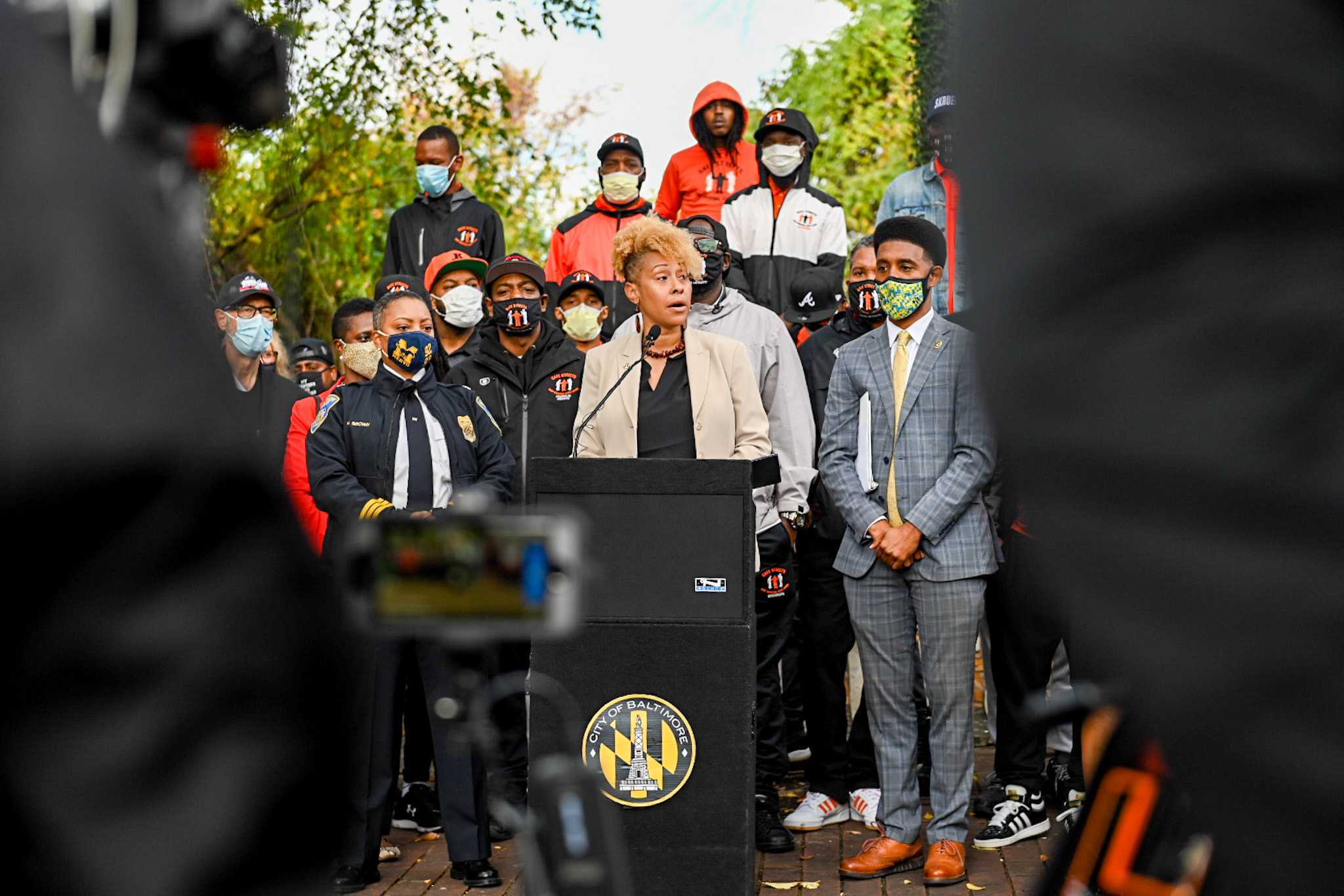
Baltimore faced persistent gun violence and a fragmented public safety response, with programs scattered across multiple agencies, no central coordinator, and no infrastructure to sustain progress beyond individual administrations. The Mayor's charge was to build a modern Office of Violence Prevention, but no playbook existed for what that should look like.
As Founding Executive Director, Shantay Jackson was responsible for designing, launching, and leading Baltimore City's Mayor's Office of Neighborhood Safety and Engagement (MONSE). She led the creation of Baltimore's first comprehensive violence reduction strategy through a citywide planning process that engaged more than 13,000 residents, community stakeholders, and City employees across neighborhoods throughout Baltimore. She built the office from concept to a multidisciplinary team of nearly fifty, established its operating model and funding strategy, and aligned cross-sector partnerships to create lasting violence prevention infrastructure.
MONSE became the City's coordinating infrastructure for violence reduction, helping position Baltimore for sustained reductions in violent crime. The comprehensive violence reduction strategy established a shared roadmap across government and community partners, while a pilot launched under Shantay's leadership expanded citywide. Between 2021 and 2025, Baltimore experienced an approximately 60% reduction in homicides, demonstrating the power of coordinated systems built to produce results that outlast individual programs and political cycles.
Baltimore homicides, 2021–2025
A roughly 60% reduction over five years.
Source: City of Baltimore Mayor's Office, Baltimore Police Department, Baltimore Sun.